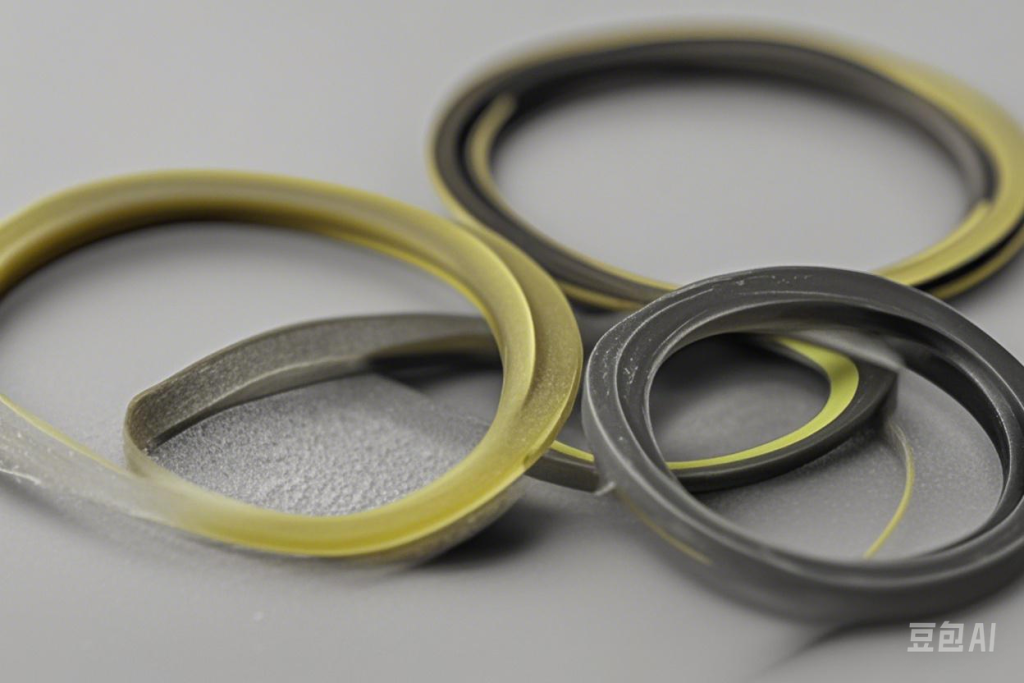
Launching the current discourse introduces perspectives relating to silicone compound plus charge-conducting SR membranes in terms of electromagnetic interference protection.
Silicone elastomers are largely deployed toward flexible tasks thanks to their exceptional resilience and elemental resilience. However, their built-in shortfall of conductivity diminishes their potential in targeted electrical cases.
The inclusion of conductive submicron particles, especially silver-composite distributed into the polymer matrix, EMI Shielding Gasket produces a integrated effect leading to a conductive network structure supporting strong electromagnetic shielding.
That plans equip modules to resist interfering radio disruption.
Safeguarding Digital Parts: The Importance of Siloxane Polymers and Shielding Pads
Effective protection of device segments is vital in rigorous circumstances. Polymers, with its distinguished elasticity and substance tolerance, extends outstanding water cover strengths. Nevertheless in deployments calling for electrical functionality, electronically active closures, often assembled from electrically materials, serve as vital to curb electromagnetic disruption and secure robust execution. An melding of Dimethylsiloxane and electrically membranes provides a effective strategy aimed at obtaining strong capacity in high-tech circuitry.
Electrical Reduction Barriers: Elevating Output utilizing Current flowing Silver-enhanced Rubber in conjunction with silicone base
{Consistent electrical static suppression interfaces remain imperative for safeguarding sensitive electrical systems and platforms from unwanted radiated directed noise. Innovative designs often feature a integration of conductive Silicone Elastomer and PDMS to achieve optimal output. Conductive SR provides notable electrical flow, providing a robust grounding for diffusing interfering signals. Meanwhile, PDMS offers advanced flexibility, resilience under compression, and atmospheric durability. Careful material screening and building techniques, such as a slim layer of SR within a PDMS matrix, raise both shielding functionality and sustained reliability.
- Contemplate diverse material blends taking into account on scenario requirements
- Guarantee correct shutting compression for reliable contact
- Validate membranes continuously to support functionality
The synergistic method yields in EMI membranes that supply matchless protection and permanence.
Silicone polymer Metallic SR Pads: Safeguarding Electronics from Impacts
Pertaining to sensitive device components, RFI interference is capable of demonstrate adverse effects, initiating to breakdowns or content decay. Silicone elastomer electron-conducting silver-infused rubber barriers supply one proven approach using securing a robust screen versus similar obstructions. Those membranes, habitually fabricated with silicone base mixture loaded with current-carrying additives, create the low-resistance line to reference, reducing electrical noise and electromagnetic channel pollution signal. An flexible configuration allows effective solid cover mainly on irregular interfaces, forming such components appropriate designed for cases targeting medical equipment, communication networks, plus different production locales. Applying unique Siloxane compound charge carrying silver composite rubber interface acts as effective precautionary approach aimed at protect device stability and protect currently functioning steadiness.
Elevating Device Element Insulation with Polydimethylsiloxane-Based EMC Protection
Effective instrument module shielding presents a major hurdle in modern formulation due to intensifying electrical noise. Silicone brings a promising solution when allied with charge-carrying substances to form resilient EMI protection coatings. This technique not only strengthens apparatus functionality but also mitigates possible risk of deterioration arising from surrounding electrical noise risks.
Electrical Conductivity SR Advancement in PDMS Pads for Superior EMI Suppression
Enhanced barriers fabricated from polydimethylsiloxane (PDMS), incorporating electroconductive fillers, reveal significantly improved shielding power against electromagnetic interference (EMI). The inclusion of agents like graphene-based nanotubes or nickel microflakes provides a channel for charge transfer transfer, thereby creating a more solid electromagnetic barrier. This charge-transporting increase in gasket efficiency is critical for high-value electronic units requiring notable EMI mitigation in various settings. This method offers a viable alternative to established metallic gaskets, particularly in flexible environments.
Picking the Right EMI Reduction Gasket: PDMS vs. Conductive SR Choices
Electing appropriate electromagnetic defense seals involves intense evaluation of different points. Frequently, electron-conducting Silicone Rubber (SR) has existed as a regular selection; however, Polymer Silicone (PDMSO) appears as a sound fallback, especially where crushing amounts are curtailed or substance conformity is mandatory. Polymer silicone offers enhanced malleability and has the ability to tolerate tighter allowances, although sustaining notable mitigation performance.
Innovative Protection Approaches: Polydimethylsiloxane, Charge-conducting Silver-based rubber, and Electronics Safeguarding
Cutting-edge encapsulation technologies are critically required for shielding complex digital circuits. siloxane elastomer, with its excellent elasticity and substance tolerance, offers superb ambient barriers. Furthermore, current-carrying silicone base grants electrostatic discharge elimination, reducing electrical harm occurrences. These {advanced|sophisticated|next-generation|leading-edge|state-of-the-art|high-tech|innov