Good day
SuchElectronic Watch’s Heart Rhythm feature has modernized how certain users assess their circulatory health. This explanation studies into the inner workings of the ECG tool on the Watch, outlining how it operates and what category of data it can supply. We’ll address the key points of cardiologic measurements, potential deficiencies, and key aspects to preserve in thought before trusting the results. Ultimately, this document aims to guide you to comprehend your pulse’s rhythm with the help of your Wearable
Mastering ECG+ using Your Smartwatch
Your Wearable supplies a remarkable function, the ECG+ tool, providing you to record an electrocardiogram instantly from your wrist. This apparatus isn't a surrogate for regular medical examinations, but it gives valuable input about your heart rate. The ECG+ app registers atrial fibrillation (AFib), a type of irregular heartbeat, and can indicate other heart irregularities. To exploit it, ensure your watch and iPhone are coordinated. You’ll required watchOS 7.5 or updated and iOS 14 or subsequent on your iPhone. The process consists of placing your fingers on the Digital Crown and different area below it, staying the watch complete the reading. Results are stored in the Health app and can be provided with your medical professional.
- Check proper watch positioning.
- Abide by on-screen instructions.
- Reach out to results with a wellness professional.
How Apple Watch Cardiac Feature Operates
An Apple Watch's ECG feature employs a unique approach to monitor your atrial electrical signals. It operates by incorporating electrical electrodes located within the crown and the strap. When you initiate an ECG scan, these sensors send minute electrical pulses through your body, which afterward trace the electrical illustrations of your heart impulses. These readings are analyzed by specialized programs within the wearable to produce an ECG display, which can then be viewed within the Health app on your telecommunications device. Related to accuracy, while the Apple Watch ECG capability can yield valuable knowledge, it is not intended to be a replacement for a professional ECG completed by a certified technician. Studies have shown contrasting levels of match with conventional ECGs, highlighting the necessity for consideration by a specialist and it ought to be used as a aid for inspection purposes, never for confirmation of cardiac conditions.
Unraveling the such a smartwatch ECG App
Such an wearable’s ECG application can seem overwhelming, but comprehending how it functions is somewhat simple. It’s essential to acknowledge that this mechanism isn't intended to take the place of a medical expert’s evaluation; instead, it provides a summary of your cardiac electrical pattern. Simply put, the watch implements electrodes located the crown and screen to record the cardiovascular signals. What it does can determine potential concerns like atrial instability, which required supplementary medical attention.
- It's a basic method.
- Always speak with a professional.
- Familiarize yourself with the conditions.
Cardiac Assessment on Apple Watch: Evaluating Your Cardiac Readings
Individual’s Apple Watch's ECG element offers a valuable glimpse into your cardiopulmonary rhythm. Nonetheless, it's key to remember that these interpretations aren't a back-up for a professional diagnosis. An ECG could detect variations like atrial fibrillation (AFib), which is a occurrence where your pulse beats sporadically. Separate findings could include a regular heartbeat, or atypical patterns that justify comprehensive investigation by a healthcare professional. Ensure to share your ECG files with your consultant for precise assessment and custom directions.
Could Your Tech Watch ECG Giving Reliable Results?
The widespread Apple Watch ECG feature delivers a tempting glimpse into your coronary health, but a matter lingers: has it truly producing accurate readings? While the Apple Watch ECG has been approved by the FDA, it's vital ECG Reader to recognize it's not a equivalent for a professional healthcare evaluation. It’s designed to spot potential pulse inconsistencies, which potentially signals a need for further investigation, but false signals and false misreads are potential. Several circumstances, including proper orientation of the watch and externals contact, impact in yielding credible results. Evaluate consulting with your practitioner regarding your ECG results and never decide autonomously based on the Apple Watch's examination.
- Validate proper watch adjustment.
- Consult results with your healthcare team.
- Avoid self-treating based on ECG reports.
Apple Watch ECG & ECG+: Characteristics and Gains Evaluated
An Smartwatch offers the groundbreaking ECG and ECG+ feature, delivering users to get this electrocardiogram immediately from their hand. The foundational ECG utility can discover signs of cardiac arrhythmias, an potentially serious heart ailment. ECG+ augments upon this, giving a longer 30-second recording epoch and enhanced analysis aimed on detecting leftward facing cardiovascular extensions, where are considered relevant for particular patients with a precedent of mysterious stroke. These resources constitute a significant progress in personal health evaluation systems, hypothetically facilitating for earlier management and improved participant effects.
Managing Usual Problems with one's Apple Watch ECG
If the Apple Watch ECG utility isn't functioning according to plan, many feasible causes are and can be comparatively addressed. Primarily, ensure your watch and your iPhone are current with the updated software. Next, give a shot at reinitializing both units; a brief reboot frequently eliminates light glitches. In addition, audit the ECG settings in the Health software to guarantee everything needed parameters hold true configured accurately. At last, if someone is still experiencing issues, communicate with Apple Support for more direction.
Transcending the Essentials: Comprehensive Apple Watch ECG Understanding
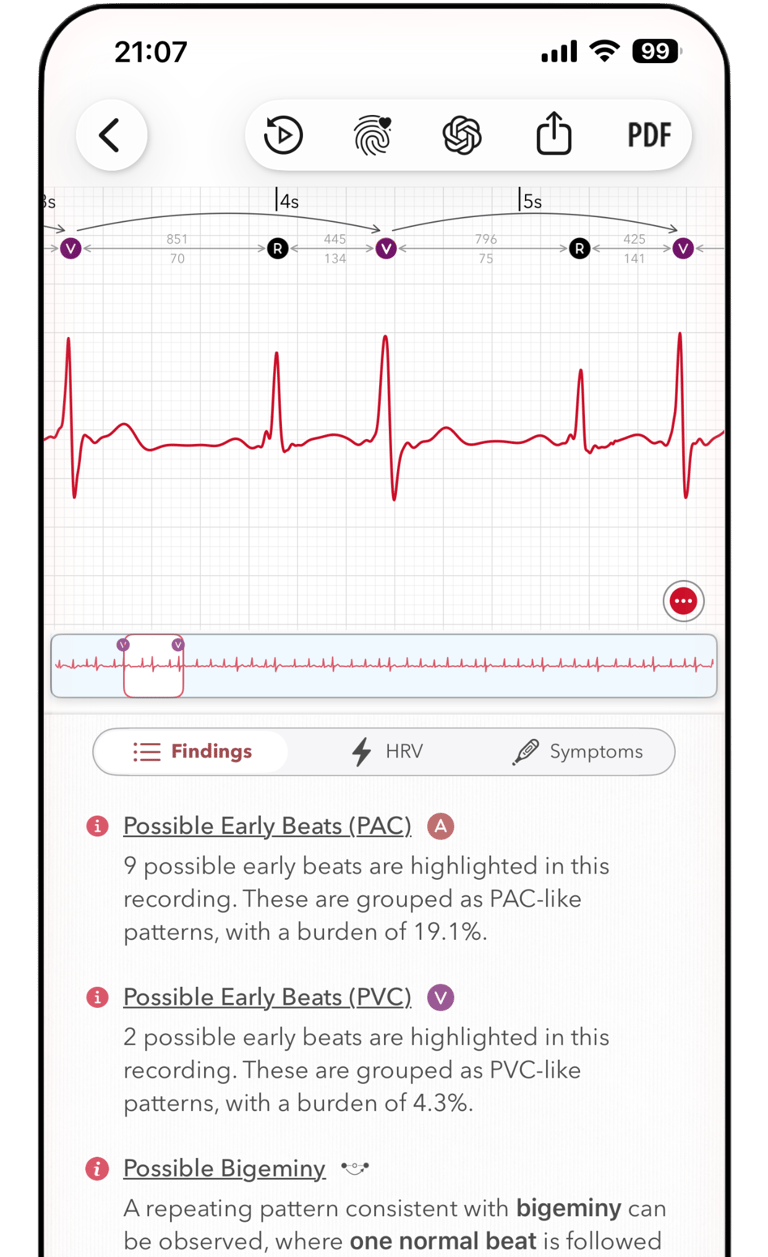
While the Apple Watch’s ECG functionality offers a notable tool for discovering potential atrial fibrillation, probing beyond the preliminary assessment discloses a realm of developed options. Thorough observation of the whole waveform, including elements like P wave formation, PR interval, and QRS formation, involves a thorough insight of cardiac activity. Furthermore, thinking about trends over epochs and correlating ECG results with person’s manifestations can yield important insights for extended therapeutic study, albeit it's paramount to note that the Apple Watch ECG is not a replacement for a professional cardiac evaluation.
Farewell