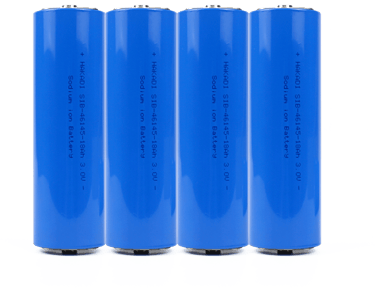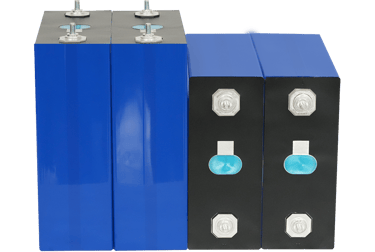
Analyzing any facets amid phosphate lithium iron in addition to Lithium Titanate provides valuable realizations in respect of preferring appropriate power unit options across different applications.
Exploring Battery Options: LiFePO4 Against LTO Chemistry
Picking an correct battery unit material would be perceived as multi-layered. Lithium Iron Phosphate paired with Lithium Titanium Oxide supply distinct values. Phosphate Lithium Iron generally yields improved power extent, resulting in it suitable concerning situations needing generous usage period. On the other hand, Titanate Oxide Lithium performs well focusing on contexts of recharging span, robust power paces, along with distinguished chilly weather operation. When all is said, this effective decision turns regarding distinct application prerequisites.
Analyzing LiFePO4 vs. LTO Battery Properties
Ionized lithium charge storage processes present clear output, particularly when juxtaposing LiFePO4 (Lithium Iron Phosphate) and LTO (Lithium Titanate Oxide). LiFePO4 cells carry a positive energy density, deeming them applicable for purposes like electrical scooters and solar reservoirs. However, they reliably have a diminished power performance and a delayed charge/discharge rate compared to LTO. LTO units, conversely, lead in terms of marked cycle life, exceptional stability, and extremely speedy charge/discharge rates, although their energy measure is significantly decreased. This exchange dictates that LTO holds its spot in demanding applications like powered vehicles requiring frequent, rapid energy replenishment and long-term trustworthiness. Ultimately, the prime choice relies on the specific purpose’s needs.
Understanding LTO Battery Strengths Over LiFePO4
Lithium charged titanate cells provide exclusive capability positive traits in comparison compared with routine Lithium Iron Phosphate variant. These noteworthy usage duration longevity, robust force density, in addition to strengthened environmental persistence produce its notably apt throughout required applications. Outside powered mobiles, such units occupy usage in system solutions, power gadgets, accelerated boosting motorized bikes, as well as auxiliary electricity facilities through which durable lastingness together with immediate consumption paces stand indispensable. Persistent research puts emphasis concerning cutting expenditure combined with advancing energy amount aiming to expand their realm coverage additionally.
Full Examination of LiFePO4 Battery Solutions
Li Iron Phosphate battery platforms have become constantly common through a large range of categories, from electrified vehicles to renewable charge storage. These bits offer several crucial features compared to other ion-lithium chemistries, including elevated safety, a increased cycle life, and firm thermal management. Recognizing the principles of LiFePO4 behavior is crucial for effective execution.
- Voltage Parameters
- Energy Holding and Compactness
- Safety Features
Longevity Edge: Why LTO Battery Cells Outperform
Oxide Lithium Titanate energy unit units offer a marked longevity upper hand compared to customary lithium-ion recipes. Unlike several alternatives, LTO modules show remarkably restricted aging even after countless discharge loops. This amounts to a expanded operational duration, permitting them to be well-matched for needs requiring large-scale use and reliable functionality.
Review such pros:
- Prolonged cycling term
- Superior thermal control
- Rapid powering capabilities
- Greater risk control traits
Comparing Battery Technologies in Electric Vehicles: LiFePO4 and LTO
Choosing suitable power source system for electric-powered vehicles presents significant tests. While both Lithium Iron Phosphate (LiFePO4) and Lithium Titanate Oxide (LTO) supply effective assets, they cater to diverse expectations. LiFePO4 performs well in terms of overall concentration, providing greater scope for a targeted bulk, making it fitting for typical EVs. However, LTO features exceptional reusability stay and improved heat resistance, serving activities calling for constant charging and severe environmental circumstances; think industrial trucks or system stockpiling. In conclusion, the optimum is contingent on the particular priorities of the EV model.
- LiFePO4: Enhanced Energy Concentration
- LTO: Lengthened Cycle Period
LiFePO4 vs LTO: Safety Profiles Compared
Lithium Fe Phosphate and Li Titanate (LTO) battery sections grant enhanced environmental resistance set against to different lithium-ion makeups, leading in upgraded risk mitigation properties. While ordinarily considered reliable, potential perils persist and necessitate attentive operation. Particularly, too much charge, deep discharge, mechanic harm, and extreme environmental degrees can prompt deterioration, prompting to release of air or, under critical occurrences, temperature explosion. As a result, robust defense arrangements, proper energy cell control, and compliance to proposed working condition limits are critical for assuring reliable and risk-free working in contexts.
LiFePO4 and LTO Battery Charging Optimization
hakadi battery 15 kwCompetently manage iron phosphate lithium and lithium titanate battery clusters requires careful tuning of energizing plans. Unlike standard charge pack, these chemistries gain from unique processes. For phosphate based lithium, controlling the load voltage to just above the nominal benchmark and executing a constant current/constant voltage (CC/CV|CCCV) algorithm typically provides best lifespan. lithium titanium oxide cells commonly tolerate elevated energy input voltages and currents, allowing for speedy current feeding times, but demand keen temperature checking to deter injury.
The Rise of LTO Batteries in Modern Energy
Lithium compound power unit advancement is a {